Friday, December 19

Poisonous Wildflower: Take a Closer Look

Here I show you about a poisonous wildflower

Poisonous Wildflower
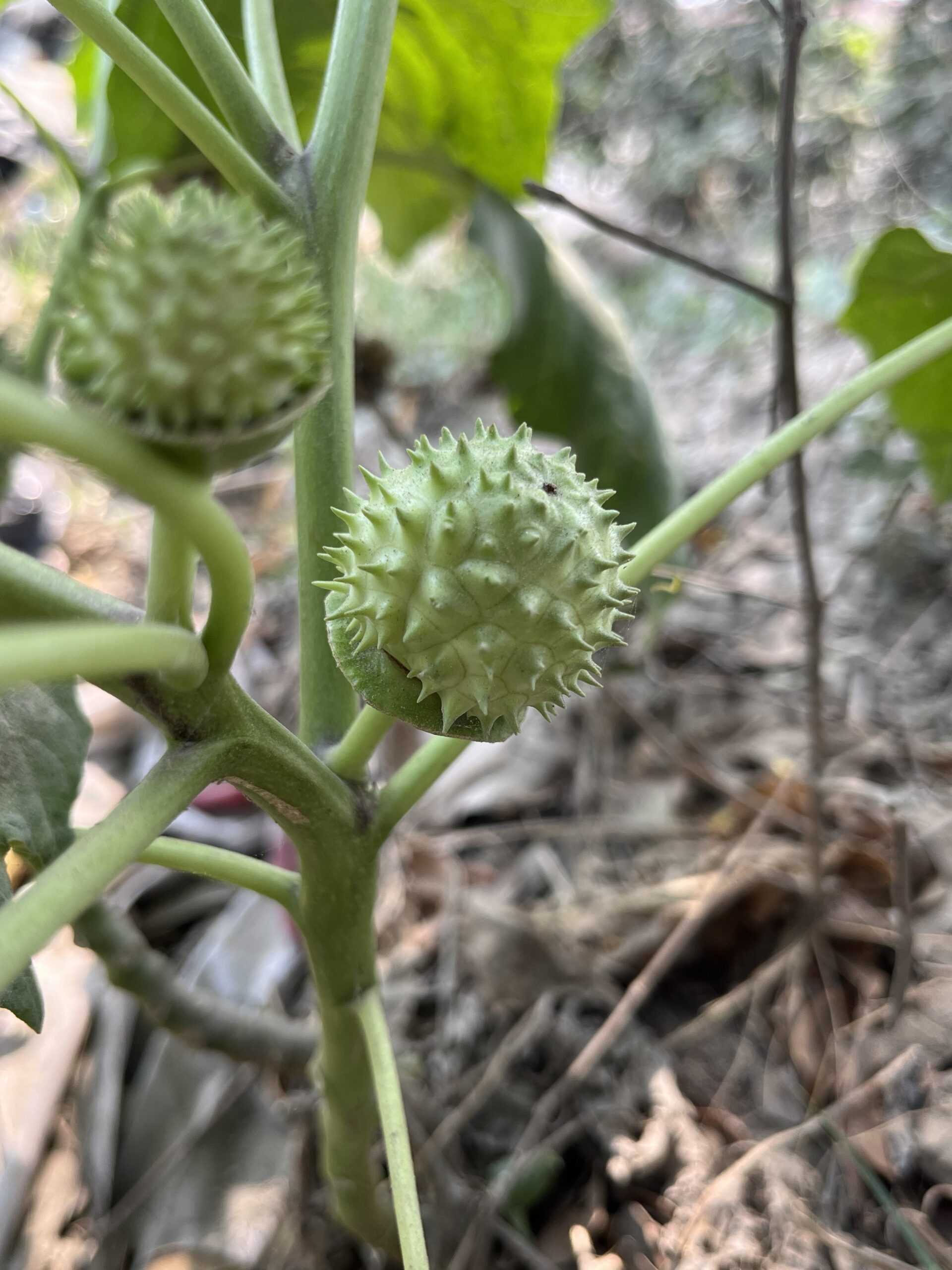
Inflorescence with blooming flowers at Basirhat, West Bengal(India)
Poisonous Wildflower
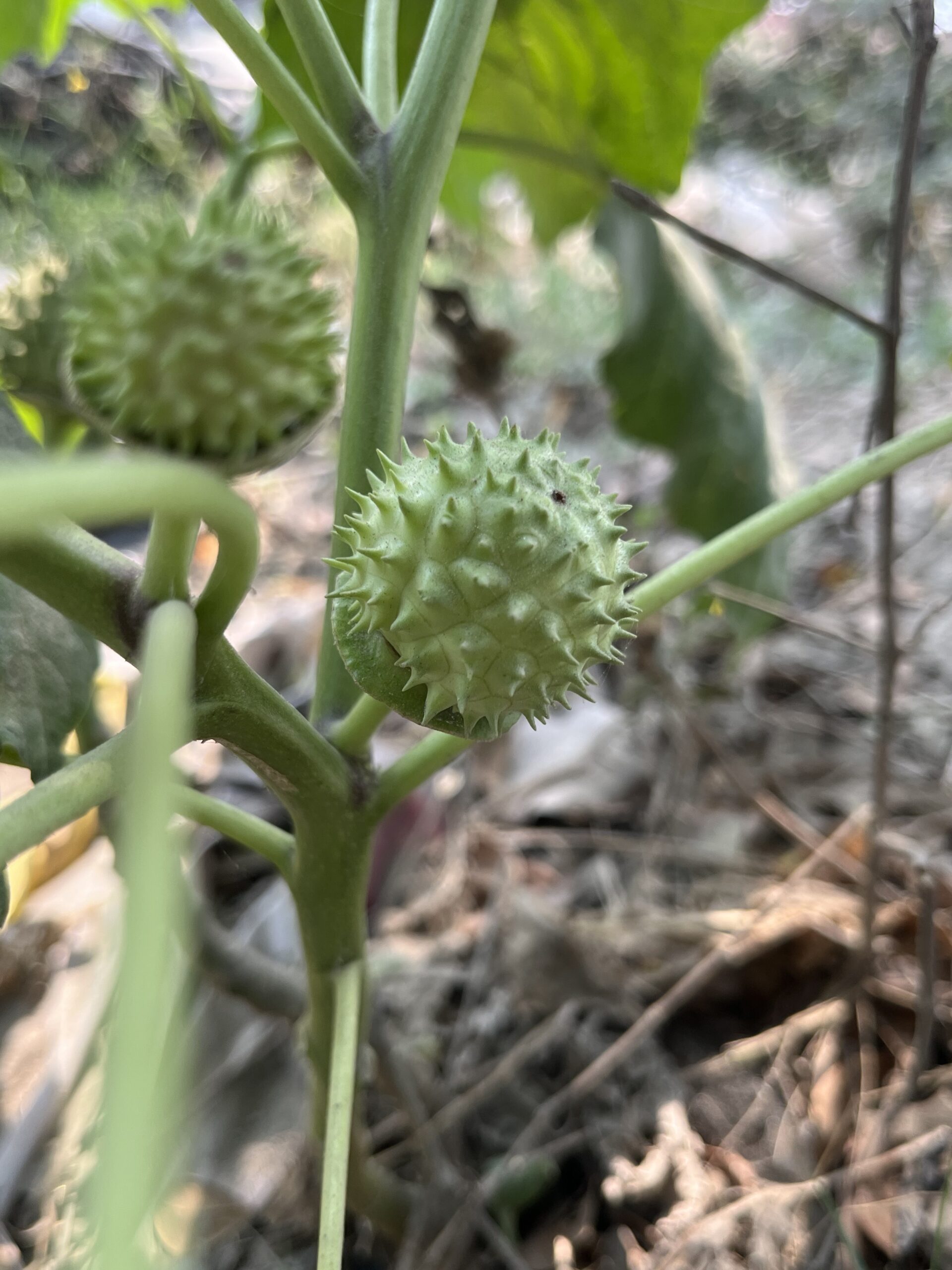
Inflorescence with blooming flowers at Basirhat, West Bengal(India)

Where From It Capture

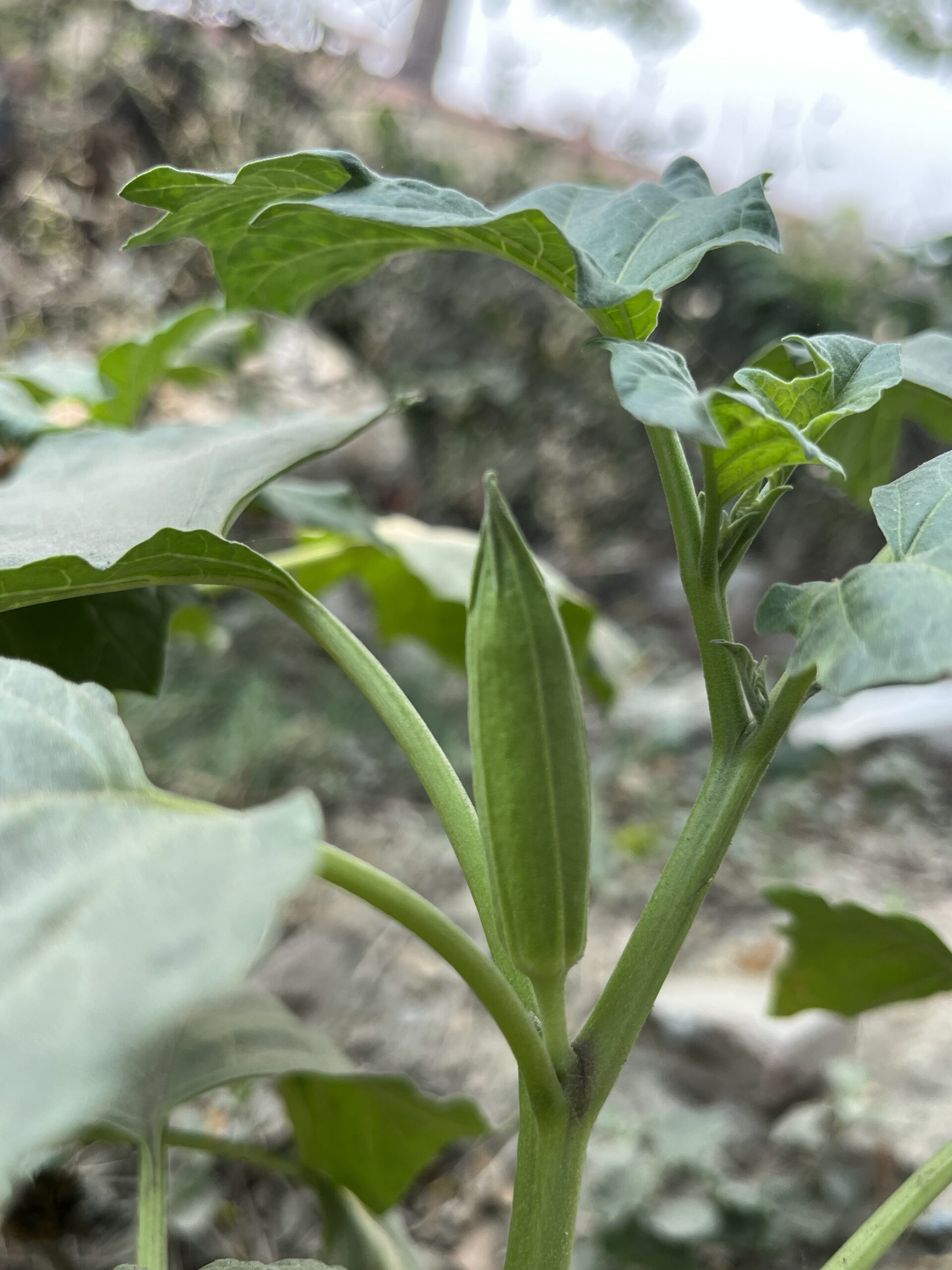
A Poisonous Wildflower captured from rural village of Basirhat, North 24 Parganas in West Bengal.It’s seen in rural Bengal  bushes, in the forest, on the roadside, here and there, the beautiful form of Dhutra or Thorn apple is spread. It grows carelessly and negligently on the roadsides, near wasteland.


This Flower Used in Which Puja

This Poisonous Wildflower has been used in religious puja ceremonies for centuries.In Hindu mythology, Dhatura is associated with Lord Shiva signifies purity, transformation, and the cycles of creation and destruction and is considered sacred to Him. The flower is believed to appease Lord Shiva and seek His blessings for personal growth and spiritual elevation.

Why This Flower Used in Shiv Puja

This Poisonous Wildflower among Hindus is immense due to its association with the powerful deity and the legend behind it. According to ancient scriptures and beliefs, the Dhatura flower was the one that came out of Lord Shiva’s chest when he drank poison or ‘Halal’ during the war between the gods and the demons. Offering Dhatura to Lord Shiva is believed to please him and gain his blessings as the flower represents the transformative power of destruction and rebirth.

Common Name(s):

Thorn Apple, Devils Weed, Datura, Jimpson Weed.              Andaman & Nicobar : Katahul, Andhra Pradesh : Tella Ummatta, Bihar : PahDhatura, Chandigarh : Dhutra, Chattisgarh : Dhatura, Delhi : Dhuttura, Goa : Dhutra Dhatura, Gujarat : Dhaturo, Haryana : Dhatura, Jharkhand : Devil’s Trumpet, Karnataka : Dhaturi, Maharastra : Dhattura, Odisha : Kala Dudura, Punjab : Dhatura, Rajasthan : Dhatura, Sikkim : Datura, Tamil Nadu : Karu Oomathai, Telangana : Ummetta, Uttar Pradesh : Sharivan, Uttarakhand : Dhatur, West Bengal : Dhutra
Time of Blooms

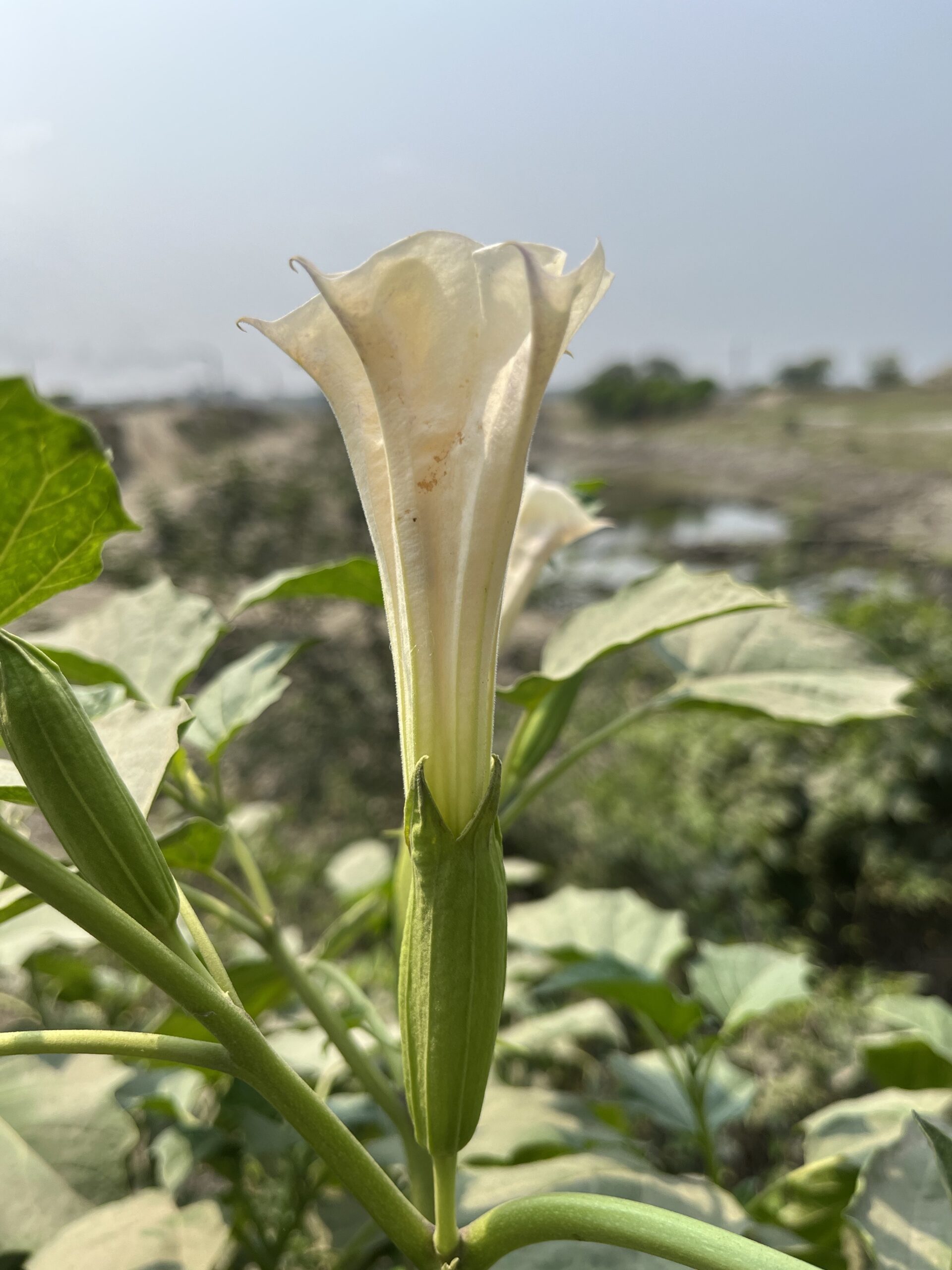
It blooms with an unearthly fragrance on spring days until summer.Countless bees are  collecting nectar from the clusters of the flowers.


Scientific classification:

Family: Solanaceae
Species: Datura stramonium L.
Genus: Datura L.

Synonyms:

  •  Datura fastuosa L.
Poisonous Wildflower
Berries of Clerodendrum infortunatum at Basirhat, West Bengal(India)
Poisonous Wildflower
Berries of Clerodendrum infortunatum at Basirhat, West Bengal(India)

ABOUT-

This Poisonous Wildflower bloom in panicles at the top of the branches. The colour of the petals is white with a hint of purple. The five white petals are tinged pink at the base. Four long stamens, 3 cm, protrude out of the flower.

USE-

It is rich in flavonoids. Due to the presence of flavonoids, it is helpful in fighting cancer. It also helps in curing diseases like worms, itching, cholesterol, blood sugar and diarrhea. But it is not much recognized.

The Hidden Danger of Dhutra (Thorn Apple / Datura)

Introduction
Dhutra, or Datura (Thorn Apple / Jimson Weed), is a wild flowering plant whose beauty conceals a deadly truth: every part of it is toxic. Even small exposure or accidental ingestion can lead to serious harm.

Key Features

  • Flowers: Trumpet-shaped, often white, pale yellow, or light purple

  • Leaves: Broad, lobed, dark green — with a foul odor when crushed

  • Seed Pods: Spiky capsules that open when mature to release many seeds

Because of its showy flowers, Datura may be mistaken for harmless plants — a dangerous error.

Where It Grows
Roadsides, wastelands, open fields, and disturbed soils. Prefers warm, tropical or subtropical climates. Datura is often labeled a weed or invasive plant.

Toxicity & Mechanism
All parts contain tropane alkaloids (atropine, hyoscyamine, scopolamine). The amounts vary widely between plant parts, age, soil, and environment — making any amount potentially hazardous.

Symptoms of Poisoning
Onset: ~30–60 minutes after ingestion
Duration: Often 24–48 hours (or more in severe cases)

Common symptoms:

  • Dry mouth, extreme thirst

  • Flushed, hot, dry skin (no sweating)

  • Dilated pupils, blurred vision, sensitivity to light

  • Rapid heartbeat

  • Elevated body temperature

  • Urinary retention, constipation

  • Confusion, hallucinations, delirium

Severe cases may involve seizures, coma, respiratory failure, cardiac problems, or death. An English mnemonic helps remember:

“Blind as a bat, mad as a hatter, red as a beet, hot as a hare, dry as a bone …”

Real Incident Example
A family of three was poisoned after eating a traditional dish (“dolma”) made using Datura flowers. All recovered under medical care.

Precautions & Safety Tips

  • Never ingest any part of Datura — seeds, leaves, flowers, roots.

  • Keep it away from children, animals, and livestock.

  • Wear gloves when handling or removing the plant; avoid contact with eyes or broken skin.

  • Educate communities about its danger and how to recognize it.

Leave a Reply

Your email address will not be published. Required fields are marked *