
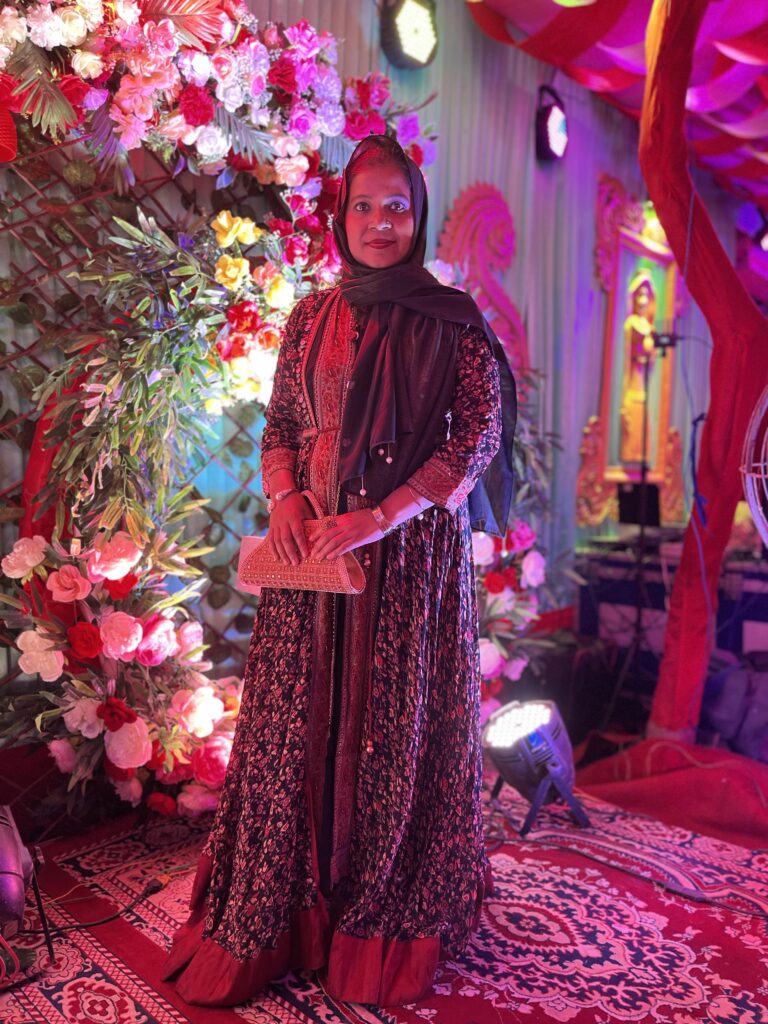
Sonia Parveen is the founder and lead content creator of bengalsearchs.com, a website dedicated to providing valuable insights, resources, and information about Bengal culture, history, and lifestyle. With a deep-rooted love for Bengali heritage, the author uses this platform to connect people with the essence of Bengal, highlighting its unique art, literature, food, festivals, and much more.
Sonia Parveen combines a personal passion with professional knowledge to craft content that brings Bengal’s history and culture to life.
The goal of bengalsearchs.com is not only to educate but also to inspire a deeper connection to the traditions and stories that have shaped Bengal and its people.
Sonia Parveen continues to share their discoveries and insights with readers around the world, inviting them to experience the heart of Bengal.
The name “Bengal” is believed to originate from-

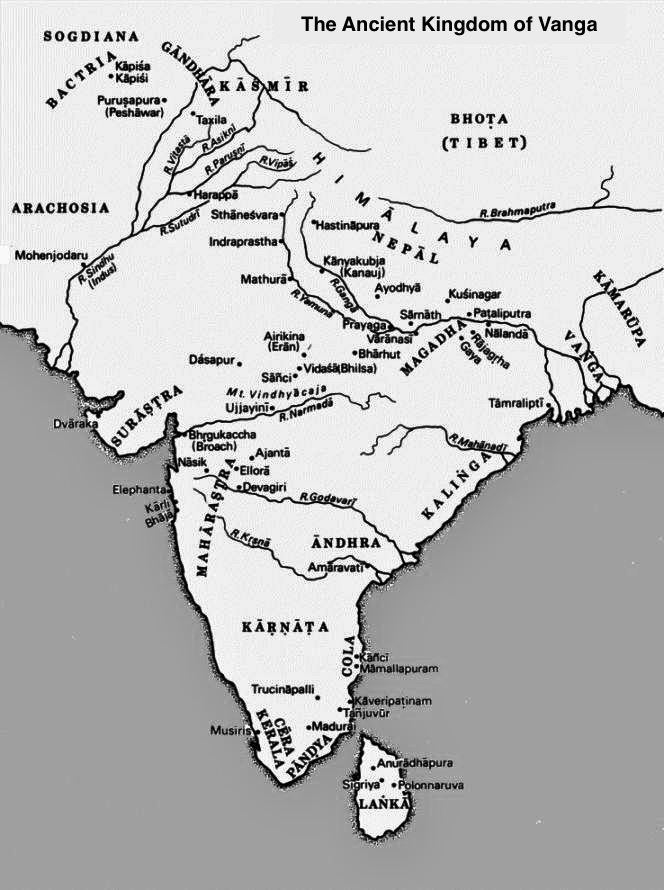
The name Bengal is indeed linked to the ancient Vanga (also pronounced Bôngô) refers to an ancient seafaring kingdom mentioned in Sanskrit texts like the Mahabharata, Purāṇas, and Harivaṃśa.
1. Vanga – Ancient Origins
The name Bengal is indeed linked to the ancient Vanga (also pronounced Bôngô) refers to an ancient seafaring kingdom mentioned in Sanskrit texts like the Mahabharata, Purāṇas, and Harivaṃśa.
2. Vangala (Vangala) – Early Medieval Usage
Over centuries, the name Vangala evolved into Bangalah or Bangala. The earliest known epigraphic mention of Vangala appears in the Nesari plates—also known as the Nesarika grant—were issued by Rashtrakuta king Govinda III around 805 CE, where mentioning the Pala king
In the 11th century – the term “Vangala” evolved into “Bangala”, along with the relevant epigraphic evidence, particularly from the Tirumalai rock inscription, which is the part of a larger set catalogued in the multi-volume series South Indian Inscriptions.
The Tirumalai rock inscription, located atop a hill in North Arcot district (now Tamil Nadu), is a notable Chola-era inscription commissioned by Rajendra Chola I around 1023–1025 CE. It’s carved into a smooth rock face near a Jaina relief, content is written in Tamil (the meikeerthi style) and ecounts his northern military campaigns into eastern India, showcasing both the ambition and scope of the Chola Empire at that time.
Significantly, it records how Rajendra Chola’s defeated Dharmapala in Dandabhukti (Midnapur), followed by Dakshina-Radha (Howrah–Hooghly), and then entrance into Vangala desa—where Govindachandra was acknowledged as the king of that region. where Govindachandra, the king, was forced to flee from his elephant in battle.
3. Bangala / Bangalah – Medieval Islamic Period
The term “Bangala” or “Bangalah” became the widely used name for the region:
🏰⚔️ Delhi Sultanate
Around the 13th century CE -as Islamic rule expanded into eastern India through the conquests of the Delhi Sultanate,The term “Bangala” or “Bangalah” (بَنْغَالَة) began appearing in Islamic texts and maps through Arabic and Persian scholars and travelers.
👑 Sultanate Period
Around the 14th century, The first independent Sultan of Bengal, Shamsuddin Ilyas Shah, declared himself “Shah of Bangala”(meaning “King of Bengal”), For independent from the Delhi Sultanate solidifying the name as a political and territorial identity.
🕌📜Mughal Period
Around the 16th century, during the Mughal period, the region of Bengal was formally incorporated into the empire’s administrative structure as Subah-i-Bangalah (the Bengal Province). A fascinating cultural theory found in Abu’l-Fazl’s Ain-i-Akbari suggests that the name “Bengal” may have originated from “Bung”—an earlier name for the region—combined with the suffix “-al,” referring to earthen mounds (“al”) built by rulers in the lowlands, thus forming the name “Bengal.”
5. Modern Terms: Bengal and Bangla
Around the 17th century, during the European colonial period—especially under the British East India Company and later the British Raj—the name “Bengal” was adopted from the Persian term Bangāla and adapted into various European languages:
The British later institutionalized the term “Bengal” in names such as:
Today, “Bengal” remains the standard English term for the historical and geographic region that includes modern-day Bangladesh and the Indian state of West Bengal, while “Bangla” is used locally to refer to the language, culture, and people.
Join us to explore Bengal’s rich tapestry of plant life. Our guided tours provide insights into the medicinal and cultural significance of local flora, highlighting hidden gems often missed by casual observers. Perfect for nature lovers and the curious alike!
Welcome to Bengalsearchs.com, your ultimate destination for discovering everything about Bengal! Our mission is simple: to provide innovative, efficient, and reliable search solutions that empower individuals and businesses to make informed decisions and unlock new opportunities. We’re a dedicated online platform focused on bringing together the vibrant culture, diverse traditions, and the latest trends from Bengal and its people.
At BengaSearchs, we understand that in today’s world, access to accurate and relevant data is more important than ever. Whether you’re looking for local businesses, cultural events, or lifestyle content, we’re here to guide you. Our website serves as a comprehensive directory, providing an easy-to-navigate space for anyone interested in Bengal—from local residents to the global Bengali diaspora.
bengalsearchs@gmail.com
Itinda, Basirhat, West Bengal, India 743292
Copyright © 2025 bengalsearchs.com. All Rights Reserved. Compiled by DRx Shajahan Biswas